NISEKO holidays
Japan
IN A NUTSHELL
Niseko is Japan’s number-one bucket-list ski destination and one of the snowiest resorts on the planet.
Located on the western coast of Hokkaido, Niseko averages over 15 metres of light, dry powder each
season - earning it the nickname “Japow” among powder enthusiasts worldwide.
Niseko SKI RESORT
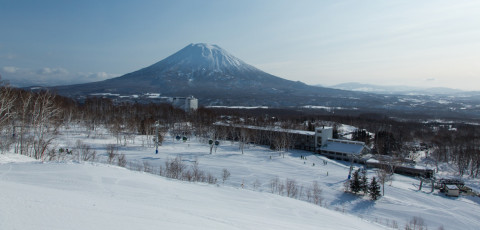
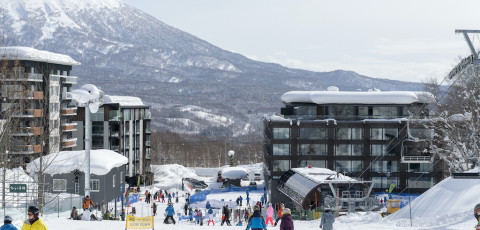
The Niseko United ski area comprises four interlinked resorts — Grand Hirafu, Hanazono, Niseko Village and Annupuri — all accessible on a single Niseko United lift pass. Together they offer more than 2,000 acres of skiable terrain, 30-plus marked trails, and one of the largest night-skiing operations in Japan, with lifts running until 9pm daily throughout the season.
Niseko’s snow falls as exceptionally light, dry powder thanks to cold Siberian air masses that pick up moisture over the Sea of Japan before depositing it on Hokkaido’s western slopes. The result is consistent, deep coverage from mid-December through to early April, with peak powder conditions in January and February.
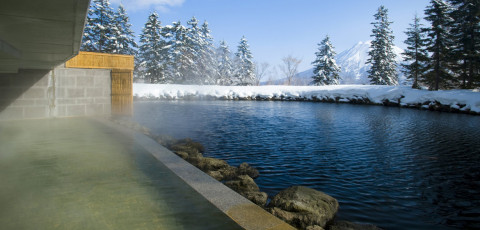
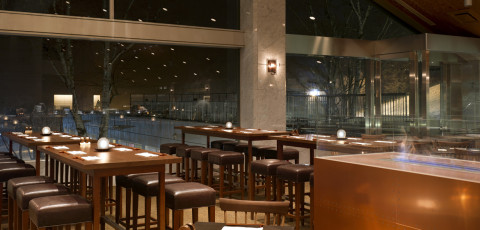
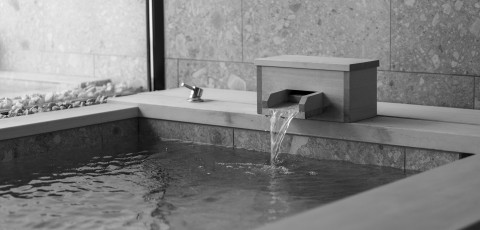
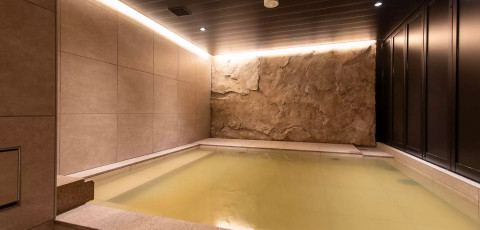
Beyond skiing, Niseko offers a rich après-ski culture: traditional Japanese onsen hot springs, world-class restaurants serving everything from sushi and ramen to international cuisine, and a lively bar scene centred on Hirafu village. Alternative winter activities include snowmobiling, snow rafting, ice climbing, snowshoeing and cross-country skiing.
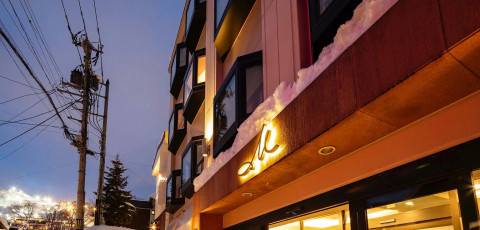
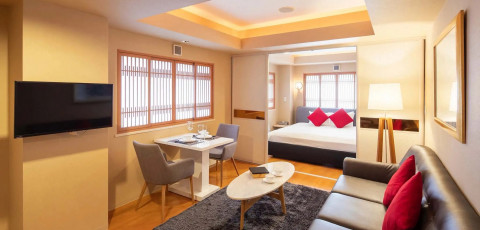
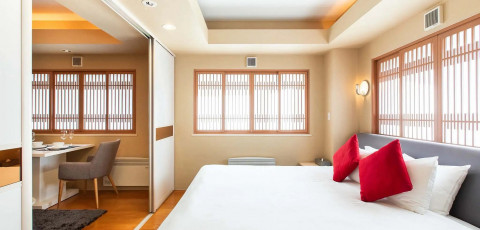
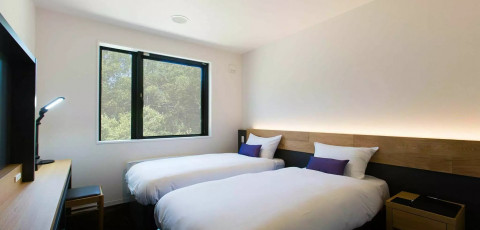
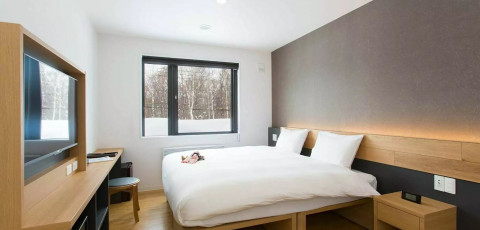
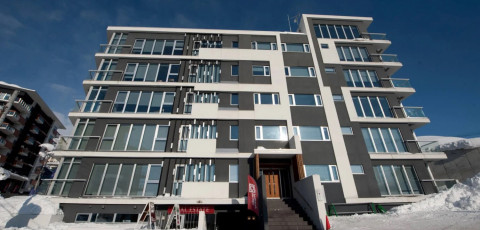
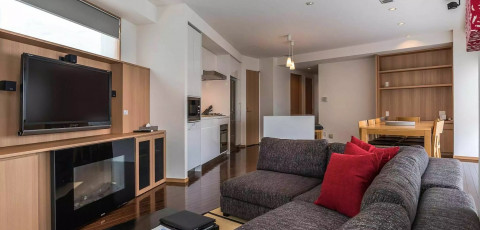
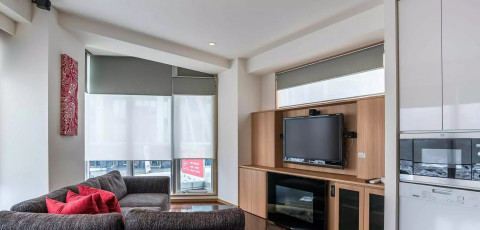
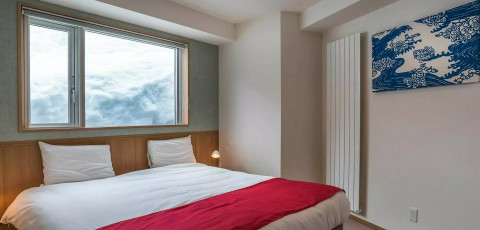
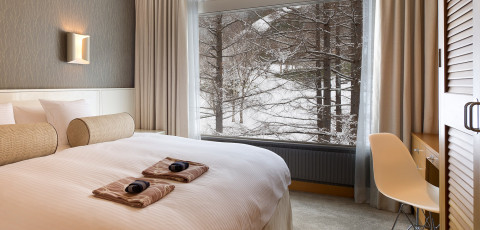
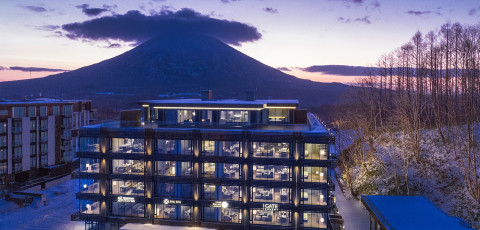
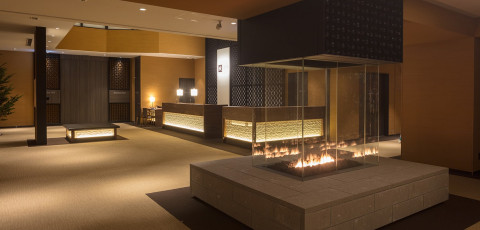
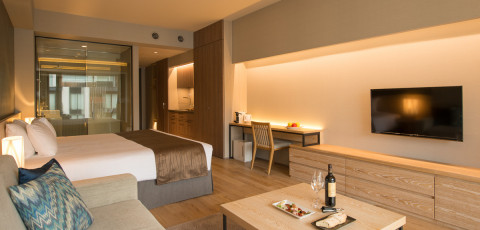
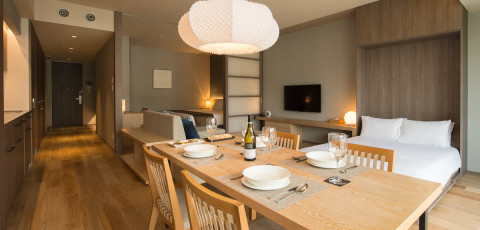
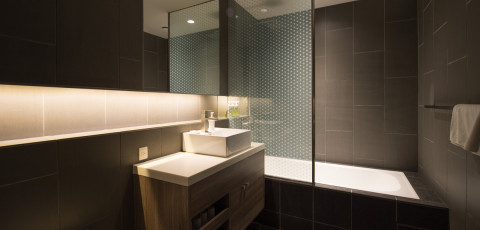
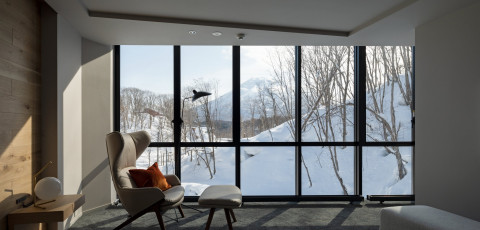
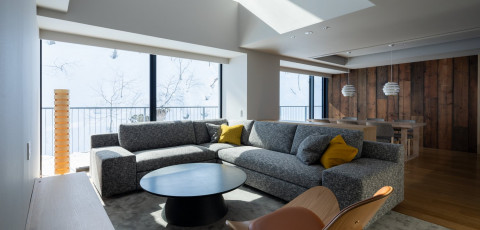
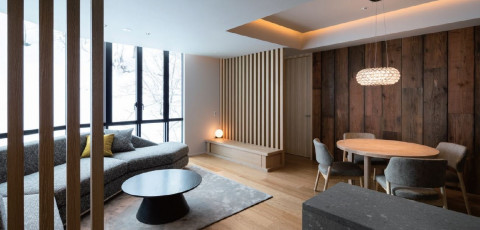
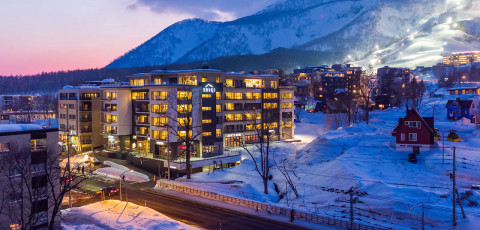
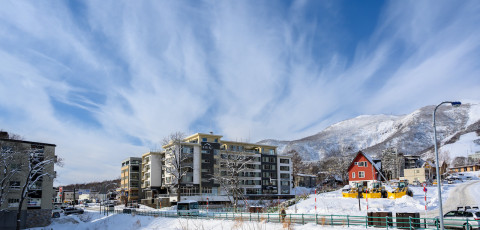
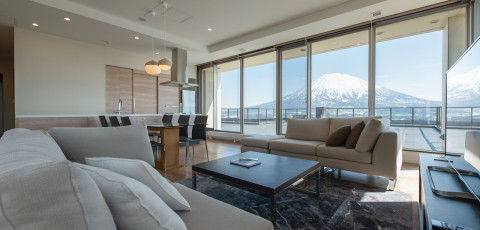
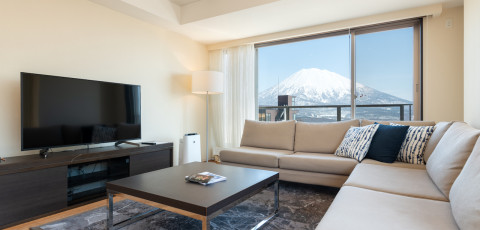
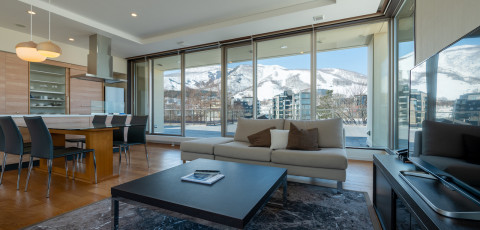
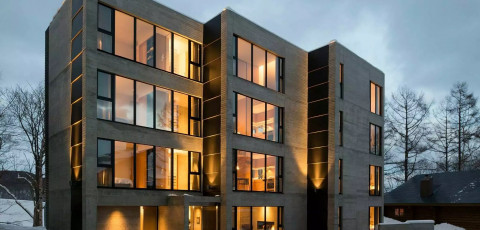
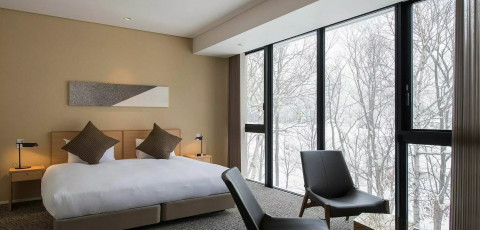
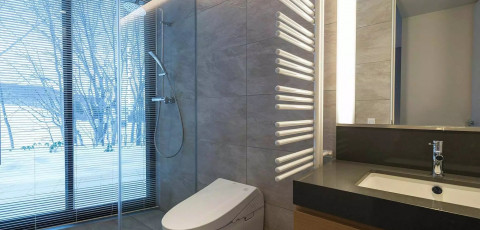
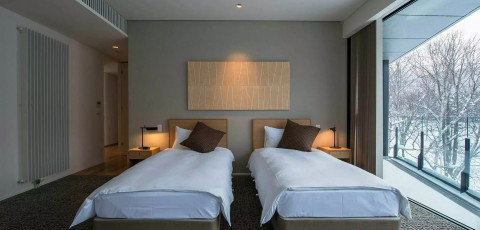
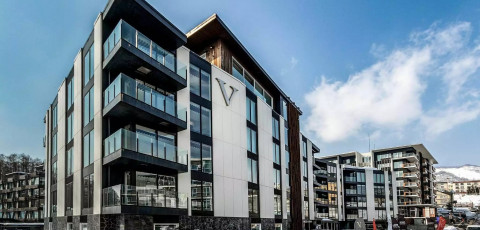
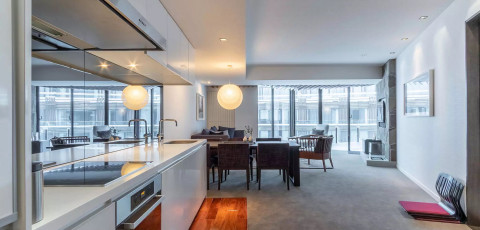
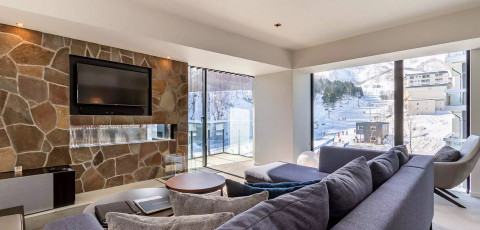
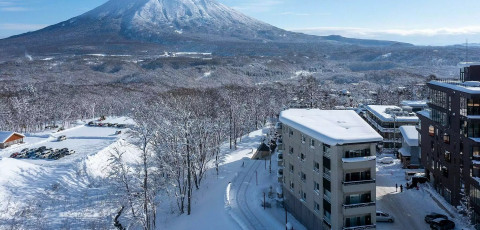
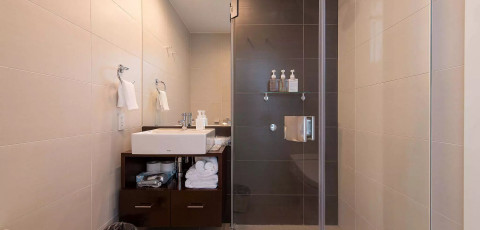
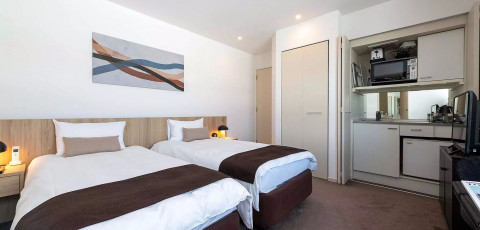
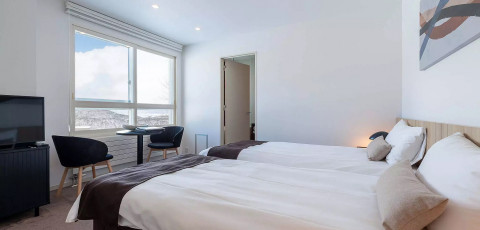
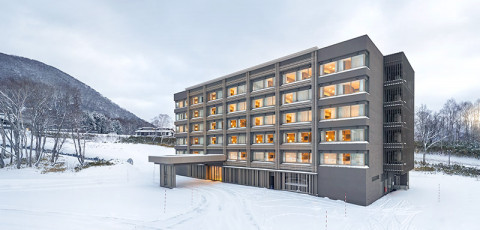
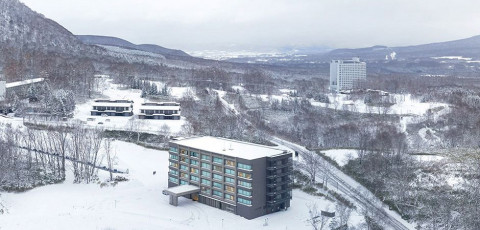
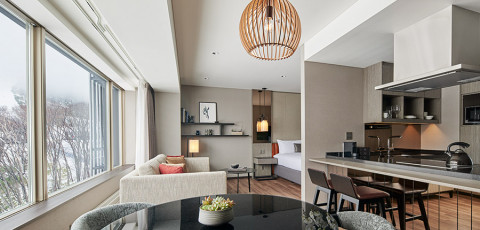
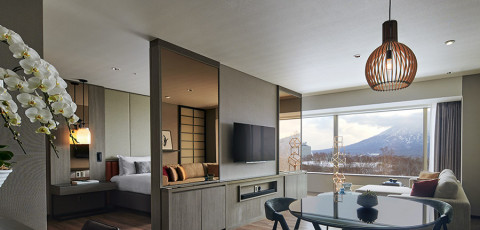
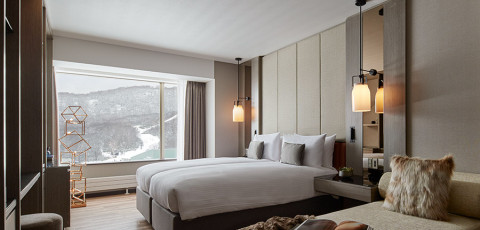
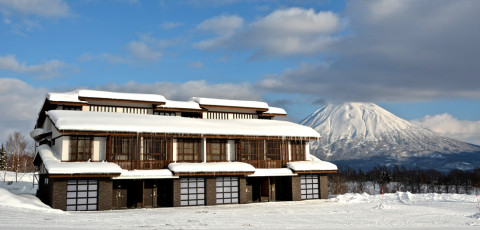
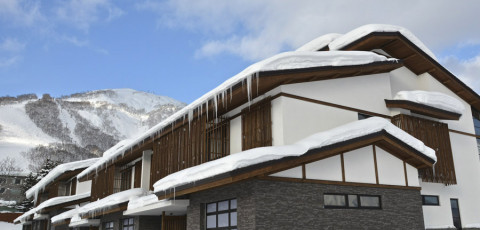
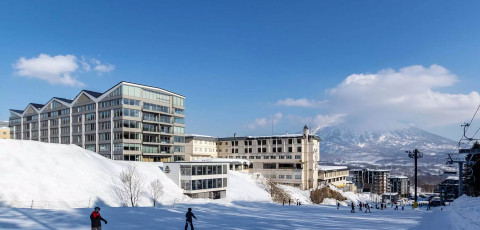
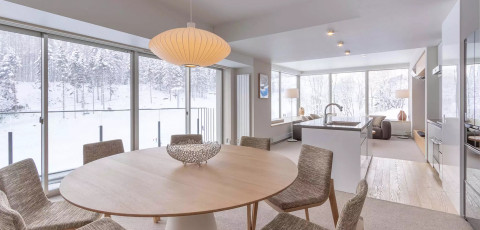
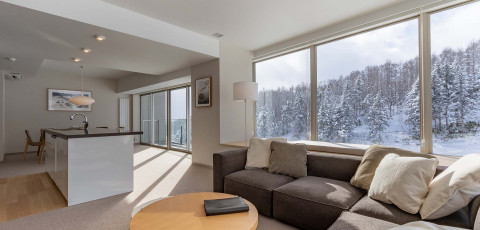
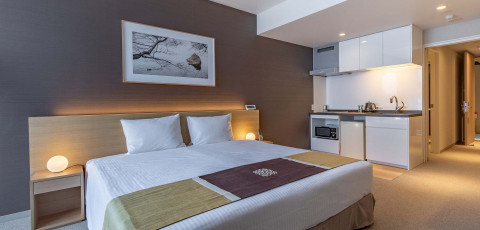
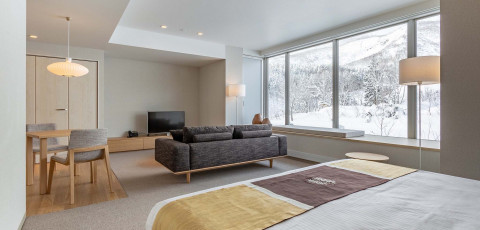
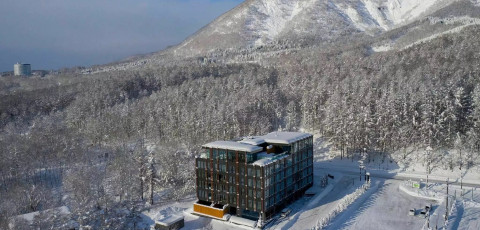
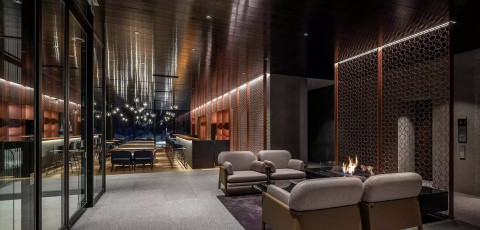
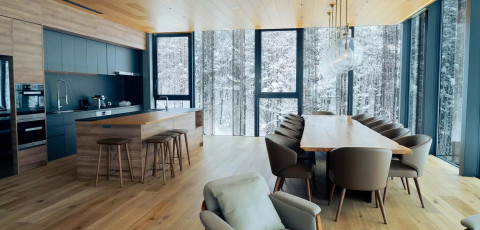
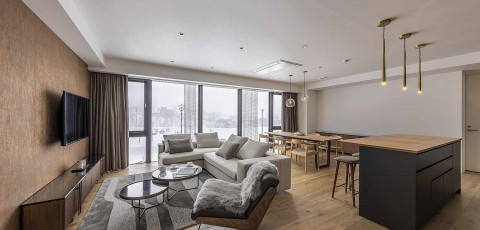
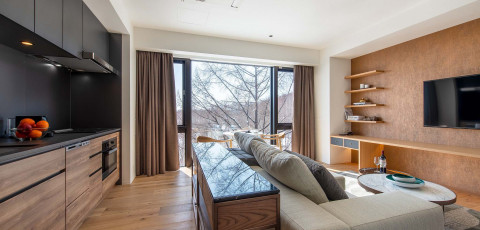
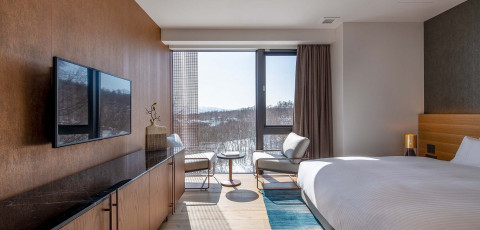
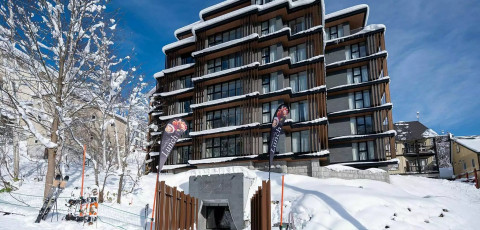
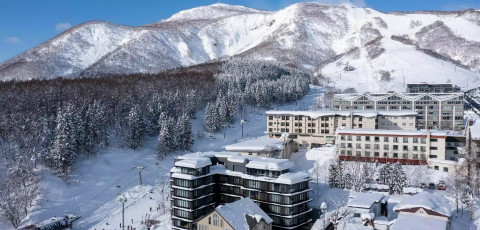
Holiday World offers several Niseko properties across all four resort areas, from mid-range hotels and self-catering apartments to luxury ski-in, ski-out residences. Accommodation ranges from studios suitable for couples to six-bedroom chalets for larger groups.
Where to Stay in Niseko: A Guide to the Best Areas
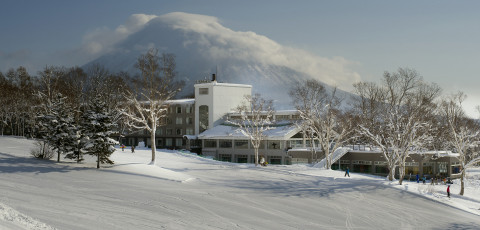
Niseko’s accommodation is spread across several distinct neighbourhoods, each with its own character. Grand Hirafu is the largest and liveliest area, with the widest choice of restaurants, bars and shops. Niseko Village is quieter and family-oriented, home to ski-in, ski-out hotels including the Hilton and Green Leaf. Annupuri suits those seeking a peaceful retreat with easy backcountry access, while Hanazono is the base for off-mountain activities such as cat skiing and snowmobiling.
How to Get to Niseko from the UK
Fly from London Heathrow to Tokyo Haneda or Narita (approximately 13 hours direct), then connect on a domestic flight to Sapporo New Chitose Airport (around 1 hour 45 minutes). From Chitose Airport, Niseko is reached by shuttle bus (approximately 2.5–3 hours including a comfort stop) or private transfer (around 2 hours). Rail access is also possible via the JR line to Kutchan or Niseko station, followed by a short shuttle or taxi.
Why book Niseko with Holiday World?
With over 30 years of ski expertise and 16 Niseko properties to choose from, Holiday World Ski Classics offers among the widest accommodation selection of any UK operator for Niseko. We have visited the resort and can put together all aspects of the holiday including Tokyo stopovers and multi-pass advisory on Ikon Pass options, and early booking hotel discounts.
Holiday World arranges flights, airport transfers and internal connections as part of your ATOL-protected package, so you can focus on the skiing.
THE SKIING IN Niseko SKI RESORT
Niseko ski resort is The Bucket List Powder destination....Japan's No.1 Resort
Niseko Japan ski resort, on Japan’s northern island of Hokkaido, is legendary for its legendary “Japow”—light, dry powder averaging over 15 metres of snow each season—making it a paradise for powder hounds. The interconnected Niseko United ski area spans Grand Hirafu Niseko, Hanazono, Niseko Village, and Annupuri, accessible on one Niseko United pass and offering lift-served bowls, tree runs, and ungroomed backcountry - often reachable via resort gates with guided access. Deep powder days, night skiing in Niseko ski resort under lights, and the thrill of waist-deep snowfall create magic for experienced skiers. Beyond the slopes, Niseko’s scene includes onsens, global cuisine, and vibrant apres-ski, making it the world’s most complete powder ski destination
Niseko is renowned for its deep powder snow, excellent terrain variety, and approachable slopes, making it an ideal destination for all skill levels. Here’s how the skiing stacks up for beginners, intermediates, and advanced skiers:
Is Niseko good for Beginners?
Top spots: Annupuri and Hanazono are particularly praised for beginner terrain. Grand Hirafu and Niseko Village also offer quality gentle slopes.
Terrain: Niseko features wide, gentle, well-groomed green runs like the Family Run (Hirafu) and Juicy Fruit (Hanazono), ideal for learning and building confidence. Annupuri’s lower slopes are also very beginner-friendly.
Facilities: Extensive ski schools, English-speaking instructors, and progressive terrain help make learning smooth. Many beginner slopes are spacious and not overly crowded, especially in Annupuri.
Experience: Beginners find Niseko a great place to start, with the gentle gradient and soft powder making falls less intimidating.
Is Niseko good for Intermediates?
Top spots: Niseko United’s four interconnected resorts (Annupuri, Niseko Village, Grand Hirafu, and Hanazono) offer a great range of red runs.
Terrain: There is a wealth of intermediate (red) trails—long, wide groomers and undulating pistes—spread across all four resorts. Notable runs include ‘Utopia’ and ‘Panorama’ in Annupuri and a wide array of intermediate routes by the upper lifts throughout the mountain.
Features: Groomed slopes are well kept, and there’s scope for intermediates to try easy tree runs and progress towards off-piste if desired. The terrain layout means you’re rarely stuck on one side—intermediates can ski from sector to sector.
Experience: Intermediates will find themselves spoiled for choice, with variety in pitch and length—perfect for refining technique and enjoying scenery.
Is Niseko good for Advanced skiers?
Top spots: Grand Hirafu, Hanazono (Strawberry Fields), Annupuri (challenge runs), Niseko Village, and the entire off-piste area.
Terrain: While the marked black (expert) runs are generally not extremely steep by European or North American standards, they can get mogulled and pitchy. The real attraction is the world-class off-piste and “sidecountry”—tree runs like Strawberry Fields and Miharashi offer bottomless powder, and the backcountry access via the gate system is extensive and famous.
Features: Advanced skiers enjoy steep tree lines, off-piste powder, and frequent snowfall (often more than 15m per year). Niseko’s “Japow” is globally revered, with powder-filled glades, challenging mogul fields, and lift-served access to gates for backcountry enthusiasts.
Experience: If you’re comfortable in the trees and deep snow, Niseko can be paradise—especially after a fresh storm. Expert guiding is available for those seeking steeper challenges, and the gate system opens up even more terrain conditions permitting.
Niseko FAQ
Q: When is the best time to ski in Niseko?
A: The Niseko ski season runs from beginning of December to late March. January and February offer the deepest powder and coldest temperatures, Chineses New Year is always very busy in Niseko. March brings milder weather, cheaper hotel prices and quieter slopes — ideal for those looking to ski Japan on a budget.
Q:Is Niseko an Epic Pass or Ikon Pass partner?
A: Niseko is an Ikon Pass partner, offering 7 days’ skiing with an Ikon Pass or 5 days with an
Ikon Base Pass (some blackout dates apply). Holiday World can also arrange the local Niseko United resort
pass, which may offer better value for shorter stays.
Q:Do I need avalanche gear for backcountry skiing in Niseko?
A:Yes—if you’re heading through Niseko’s backcountry gates, avalanche safety gear is strongly recommended, and many experienced riders treat it as essential. A standard setup includes an avalanche beacon (transceiver), probe, and shovel, plus the knowledge to use them. Niseko’s official guidance also recommends a helmet and stresses that terrain beyond the gates is outside resort patrol control. We recommend that you hire a local back country guide which we can arrange for you.
Q:Skiing at Niseko or Hakuba?
Snow quality: Niseko wins
Niseko is famous for ultra-light, consistent powder (“Japow”). It gets frequent storms and very reliable soft snow, especially in January–February. Skiers go there primarily for deep powder days and tree skiing.
Hakuba Valley still gets excellent snow, but it’s typically a bit heavier and less consistent than Niseko. You may get massive storm cycles, but also clearer weather and more variation between conditions.
Terrain: Hakuba wins
Hakuba has steeper slopes, bigger vertical, and much more terrain variety across 10 resorts. Advanced skiers generally prefer it for long runs, steeps, and varied skiing. It also hosted parts of the 1998 Winter Olympics.
Niseko is more mellow overall: wide groomers, playful tree skiing, sidecountry gates, and terrain that suits intermediates really well. Experts sometimes find it less challenging unless they venture into backcountry terrain.
Resort layout
Niseko is four interconnected ski areas on one mountain that you can ski between easily.
Hakuba is a valley of 10 separate resorts connected mostly by shuttle bus rather than ski lifts, so it feels more sprawling and exploratory.
Atmosphere & nightlife
Niseko feels more international—lots of Australians, English-speaking ski culture, upscale restaurants, bars, and après around Hirafu. It can feel almost like an international ski town in Japan.
Hakuba feels more Japanese and lower-key, with izakayas, onsens, and a more local mountain-town atmosphere. Nightlife exists (especially Echoland), but it’s generally quieter.
Access & cost
Hakuba is easier if you’re already visiting Tokyo—you can take the Shinkansen to Nagano and transfer to the valley in roughly 3 hours. Niseko requires flying to Hokkaido.
Quick decision guide
Choose Niseko if: you care most about powder, tree skiing, easy sidecountry access, and lively après.
Choose Hakuba if: you want steeper terrain, more resort variety, easier Tokyo access, and a more Japanese feel.



_maxi_x480y230.jpg)






_maxi_x480y230._maxi_x480y230.jpg)











_maxi_x480y230.jpg)








Niseko Property Map
Our location maps are intended as a helpful guide but are by no means definitive.