Canada Ski Holidays from the UK
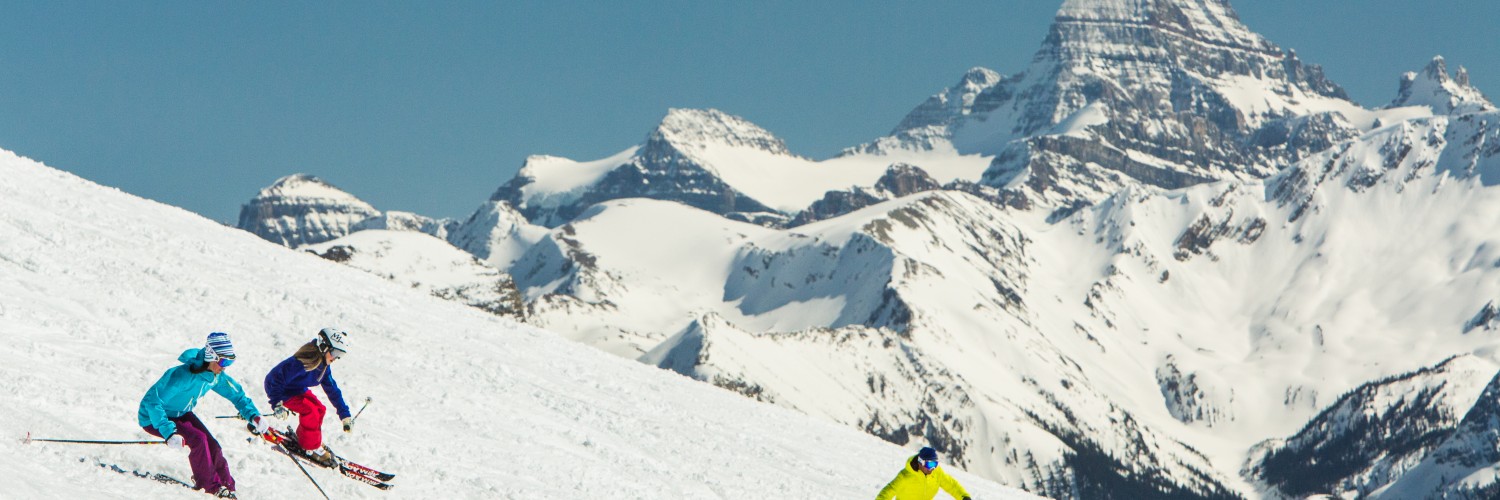
Canada ski holidays offer UK skiers world-class terrain, legendary powder snow, and some of the best-value skiing in North America. Holiday World Ski Classics has been the UK’s specialist in North American ski holidays for over 30 years - formerly trading as American Ski Classics - and we offer ATOL-protected packages to eight of Canada’s finest ski resorts, with flights, accommodation, transfers and lift passes all bookable online.
Our Canada programme spans both coasts and the heart of the Rockies: from Whistler Blackcomb (North America’s largest ski area with over 8,000 acres) and the SkiBig3 resorts of Banff and Lake Louise, to British Columbia’s powder havens at Revelstoke, Fernie and Panorama, family-friendly Sun Peaks, and the charming European-style village of Tremblant in Quebec. With over 22 properties in Banff alone and deep accommodation portfolios across every resort, we offer a breadth and depth of choice that few UK operators can match.
Canada’s ski season runs from early November to late May, with dry Rockies powder, long sunshine hours and uncrowded slopes. The favourable GBP-to-CAD exchange rate and our early booking hotel offers - with savings of up to 40% on lodging - make now an excellent time to book a Canada ski holiday.
Why Book your Canada with Holiday World Ski Classics?
1. Over 30 years of North America expertise — We have been arranging ski holidays to Canada and the USA since the early 1990s, giving us unrivalled knowledge of every resort we feature. Our team has visited each resort personally and can advise on everything from the best runs for your ability to the right neighbourhood to stay in.
2. Exclusive international lift ticket pricing — Holiday World has access to specially discounted lift tickets at key resorts including Whistler Blackcomb, Mont Tremblant and the SkiBig3 (Banff, Lake Louise, Norquay) that are only available to international visitors and cannot be purchased independently. These exclusive rates are available when you book accommodation through us, saving you significantly compared with walk-up window prices.
3. Multi-pass strategy advice — We help you choose between the Epic Pass, Ikon Pass and resort-specific passes based on your itinerary, travel dates and group size. Buying the right pass at the right time can save up to 65% compared with daily lift tickets. We sell all major pass types and can integrate them into your package at checkout.
4. Book your complete package online — Unlike many Canada ski specialists that operate on an enquiry-only basis, Holiday World lets you search, price and book your flights, hotel, transfers and lift passes online in one transaction, with transparent pricing and instant confirmation. Every package is ATOL protected.
5. The deepest accommodation portfolios — We offer more lodging options per resort than most UK competitors: 22 properties in Banff alone, ranging from budget-friendly condos to luxury ski-in/ski-out hotels. This means you can find the right accommodation for your group size, budget and preferred location rather than being limited to a handful of pre-selected hotels.
6. Early booking offers up to 40% off lodging — We pass through resort-direct early booking discounts on selected hotels and condos, often reaching 30–40% off rack rates. These offers are typically released in spring for the following winter and have booking deadlines.
Canada Ski Holidays – Frequently Asked Questions
What region in Canada is best for skiing?
The best regions in Canada for skiing are British Columbia and Alberta, home to some of the world’s most iconic ski resorts. Whistler Blackcomb in British Columbia is the largest and most famous, offering vast terrain and a vibrant après-ski scene. In Alberta, the Banff and Lake Louise ski areas in the Canadian Rockies are renowned for their breathtaking mountain scenery, reliable snow, and family-friendly atmosphere. Other top spots include Revelstoke, Panorama, and Sun Peaks, all offering incredible powder and diverse terrain for every level..
What month is best to ski in Canada?
Canada’s ski season runs from early November to late May, one of the longest in North America. December to February delivers the deepest powder and coldest temperatures, particularly in the Rockies. March and early April bring longer, sunnier days with excellent spring snow. For the best combination of snow and value, January and early March outside school holidays are ideal. Holiday World recommends booking peak-season dates (Christmas, half-term, Easter) well in advance, as popular lodging sells out months ahead.
Is Canada good value for a ski holiday?
Canada offers excellent value compared with US resorts and many European destinations. Lift passes, accommodation and eating out are generally cheaper than the equivalent in the USA, particularly in the Rockies. The current strength of the pound against the Canadian dollar further improves value. Holiday World’s early booking hotel offers can save up to 40% on lodging, and our exclusive international lift ticket pricing delivers additional savings that are not available through other channels.
How long is the flight from the UK to Canadian ski resorts
How long is the flight from the UK to Canadian ski resorts? A: Flight times depend on your destination. Western resorts (Whistler, Banff, Revelstoke, Fernie, Panorama, Sun Peaks) are served via Vancouver or Calgary, with direct flights from London taking approximately 9–10 hours. Tremblant is reached via Montreal (approximately 7 hours direct from London). Internal transfers from the arrival airport to resort range from 90 minutes (Banff from Calgary) to around 4.5 hours (Revelstoke from Calgary). Holiday World arranges all flights and transfers as part of your ATOL-protected package.
____________________________________________________________________________________________________________________________________________________________________
What is the SkiBig3 and how does the lift pass work?
The SkiBig3 refers to the three ski resorts within Banff National Park: Sunshine Village, Lake Louise Ski Resort and Mt. Norquay. A single SkiBig3 Tri-Area lift ticket gives access to all three areas and includes free shuttle bus transport between the resorts and Banff town. Together, the three resorts offer nearly 8,000 acres of terrain and 362 runs, making it one of the most varied and extensive ski experiences in Canada. Holiday World offers exclusive international pricing on SkiBig3 passes.
Should I buy an Epic Pass or Ikon Pass for a Canada ski holiday?
It depends on which resorts you plan to visit. The Epic Pass covers Whistler Blackcomb, while the Ikon Pass covers Banff/SkiBig3, Revelstoke, Panorama, Fernie, Tremblant and Sun Peaks (among others). If you’re visiting a single resort, a resort-specific or multi-day pass may be better value. Holiday World can advise on the best pass strategy for your trip and integrate your pass purchase into your package at checkout — something most competitors cannot offer online.
Do I need a visa or travel authorisation for Canada?
British passport holders do not need a visa for tourism stays of up to six months. However, you must obtain an Electronic Travel Authorisation (eTA) before travelling, which costs CAD $7 and can be applied for online at canada.ca/eta. Apply before booking your holiday to ensure you are eligible to travel. Holiday World recommends completing this as soon as your trip is confirmed.
Which Canadian ski resort is best for families?
Banff (SkiBig3), Sun Peaks and Panorama are our top family picks. All three feature excellent beginner terrain, well-regarded ski schools, dedicated children’s zones and family-friendly accommodation with easy access to slopes. Tremblant is also outstanding for families, with its European-style pedestrian village and shorter flight time from the UK. Holiday World’s team can recommend the best resort for your family based on the ages and ability levels of your group.
What makes Holiday World different from other Canada ski operators?
Holiday World Ski Classics (formerly American Ski Classics) has over 30 years of specialist expertise in North American ski holidays. We offer exclusive international lift ticket pricing not available through other UK operators, multi-pass advisory on Epic and Ikon passes, the deepest accommodation portfolios per resort (22 properties in Banff alone), and the ability to build and book your complete package online with ATOL protection. Our 23-resort North America programme (15 USA + 8 Canada) also allows multi-destination itineraries across both countries on a single booking.
CHECK OUT OUR 8 CANADA SKI RESORTS
WHISTLER BLACKCOMB RESORT - KIDS RENT FREE OFFER
North America’s largest ski area with over 8,171 acres, 200+ runs, 16 alpine bowls and 3 glaciers. The iconic PEAK 2 PEAK Gondola links two mountains, and the vibrant pedestrian village offers over 170 restaurants and bars. Season: late November to mid-May. Epic Pass resort. Approx. 2 hours from Vancouver Airport.
Three world-class ski areas — Sunshine Village, Lake Louise and Mt. Norquay — accessible on a single SkiBig3 pass with free shuttle transport. Combined terrain of nearly 8,000 acres and 362 runs set in the heart of the Canadian Rockies inside Banff National Park. Season: early November to late May. Ikon Pass resort. Holiday World offers 22 Banff properties.
Lake Louise, Alberta — The largest of the SkiBig3 resorts with 4,200 acres across four mountain faces, 164 runs and an 8km longest descent. Stunning scenery including views of the famous turquoise lake. Perfect for families and intermediate skiers, with challenging back bowls for experts.
Eastern North America’s top-rated ski resort, set in the Laurentian Mountains of Quebec with a charming pedestrian village modelled on European alpine towns. 102 runs across four slopes, a lively après-ski scene and a shorter flight time from the UK (approx. 7 hours to Montreal). Ikon Pass resort. Ideal for a first North American ski trip or a shorter break.
Canada’s second-largest ski area with 4,400 acres across three mountains. An award-winning, purpose-built alpine village with ski-in/ski-out accommodation, gentle terrain for families and beginners, and wide-open bowls for advanced skiers. Known for its uncrowded slopes and friendly, welcoming atmosphere. Season: late November to mid-April.
A genuine hidden gem in the Canadian Rockies, famous for deep powder, uncrowded slopes and a historic mining-town character. Five alpine bowls, over 2,500 acres of terrain and an average snowfall of around 9 metres per season. Ideal for intermediate-to-advanced skiers seeking an authentic Canadian ski experience. Ikon Pass resort.
A quiet, family-friendly resort in the Purcell Mountains with 2,975 acres of terrain, a long 1,220m vertical drop and Canada’s only slope-side hot pools. Wide groomed runs for intermediates, excellent ski school and a relaxed village atmosphere. Great value compared with bigger-name resorts. Ikon Pass resort.
North America’s longest lift-served vertical descent at 1,713 metres (5,620 feet) with 3,121 acres of terrain. A bucket-list resort for advanced and expert skiers, also offering cat-skiing and heli-skiing directly from the resort. Authentic mountain town atmosphere. Season: late November to mid-April. Ikon Pass resort.
Holiday World Ski Classics is a UK-based specialist tour operator offering bespoke Canada ski holidays, including Banff, Whistler and Sunpeaks, with departures from the UK and full ATOL protection.
| |
Canada West Coast |
| What is the skiing like at Sun Peaks?
Vast Variety for All Levels: With 4,400 acres and 144 runs across three interconnected mountains, Sun Peaks is the second-largest ski area in Canada. About 10% is beginner terrain (including the famously long, gentle "5 Mile" run), 58% is intermediate - featuring long, perfectly groomed cruisers - and the remaining 32% is advanced to expert, including glades, powder bowls, and steeps on Tod Mountain and in the expanded West Bowl. The layout means any lift can access suitable runs for any level, making it ideal for mixed-ability groups and families.
Truly Family- and Group-Friendly: Beginners can comfortably explore much of the resort, progressing across zones without ever feeling out of place. Intermediate skiers find some of BC’s best carving runs, while experts chase powder stashes and steeps without crowds.
Uncrowded, Laid-Back Vibe: Despite its size and quality, Sun Peaks remains uncrowded and relaxed—no mega-resort hustle or long lift lines. This fosters a welcoming atmosphere and allows guests to feel like locals, often making first tracks on bluebird days.
Ski-Through, Walkable Village: All three mountains funnel back into a European-style, ski-through village. It’s easy to meet up with friends and family for lunch, après, or activities (like tubing, skating, or snowshoeing) right at the base.
Consistent Sunshine & Great Snow: Interior BC’s dry powder and more than 2,000 hours of annual sunshine create reliable, pleasant skiing conditions.
Affordability & Access: Compared to Whistler, Sun Peaks offers more affordable accommodations, lift ticket options (including Ikon and Mountain Collective passes), and a lower-key but lively après and dining scene.
Is Sun Peaks good for Beginners?
Beginner Terrain: Sun Peaks is highly regarded as “a paradise for beginners.” There are easy, always groomed wide green runs radiating from all main mountain stations, with several dedicated learning zones, people movers, and gentle practice lifts.
Progression: Learners can start on the gentle Sunbeam and Gentle Giant runs (Sundance Mountain), then progress to slightly longer greens such as Rambler on Sundance, The Sticks and Home Run on Morrisey, or the famous 5 Mile run on Mount Tod.
Village Access: The ski-in/ski-out, pedestrian-friendly village lets beginners and kids access slopes and lessons with ease, while parents can watch or relax nearby.
Ski School: Sun Peaks’ on-site ski school and “Never Ever Days” package make it a welcoming environment for first-timers of any age, with tailored lessons and progressive terrain.
Is Sun Peaks good for Intermediates?
Intermediate Playground: 58% of Sun Peaks' trails are rated as intermediate (blue), offering a huge variety of perfectly groomed cruisers, rolling blues, and some gentle glades across all three mountains.
Best Areas: Intermediate-friendly runs are concentrated on Sundance (mellow, winding blues), Mount Morrisey (meandering blues with tree islands), and lower Mount Tod for lovely fall-line blues. There’s endless space to develop skills with minimal lift lines or skier congestion.
Features: Many blue runs on Mount Tod are a bit steeper and can be groomed or left with light moguls, so you can step up your technique at your own pace.
Is Sun Peaks good for Advanced skiers?
Advanced Terrain: While Sun Peaks isn’t known for “extreme” terrain, it offers plenty for advanced skiers, including long, fast black diamond groomers, a large variety of mogul runs, and glade skiing. 32% of its trails are advanced or expert.
Key Areas: Steeper pitches on Mount Morrisey and Tod, long and challenging mogul runs like Headwalls and Static Cling, and steep, technical black and double-black trails (especially off Burfield Quad and Crystal lifts).
Hike-to Zones: For adventure, use the West Bowl Chair to access directly or hike into the Gil’s and Skunk areas, which offer open, lightly-gladed powder terrain and very good snow quality when open. These are patrolled, in-bounds, and a local favourite.
Freeride: There are around 16 marked glade areas and off-piste stashes, as well as an extensive terrain park system for freestyle progression.
Is Sun Peaks good for Families?
Sun Peaks Ski Resort is considered one of the best ski resorts in Canada for families. Here are the main reasons why:
Truly Family-Friendly Atmosphere
Sun Peaks has a welcoming, safe, and compact ski-through village—making it easy for families to get around without cars. Children can move between slopes, lessons, and the village with minimal hassle, and there’s a friendly, community vibe throughout the resort.
The resort’s design allows families of mixed abilities to ride the same lifts and choose different runs that all rejoin at the village base, making it easy for everyone to ski at their own pace and still meet up easily.
“Fantastic for families” and “brilliant that the kids can do runs on their own and we still all end up in the same place” are recurring praise from both experts and guests.
Ideal Terrain and Lessons for All Ages
The mountain’s layout means there are green, blue, and black runs available from most lifts. This caters to every member of the family, regardless of skill level, and eliminates the stress of getting separated.
Exceptional ski and snowboard schools (including mini ski camps and the Sundance Kids Centre for ages 3–5) support kids from their first time on snow through to advanced progression, with fun, well-structured lessons and caring instructors. | |
| What makes Whistler Blackcomb's terrain and sheer size unique among ski resorts in Canada?
Whistler Blackcomb ski resort is by far Canada’s largest ski area, offering an impressive 8,171 acres of skiable terrain across two massive mountains. It features over 200 marked runs with terrain suitable for all skill levels - about 20% beginner, 52.5% intermediate, and 27.5% advanced to expert. The vertical drop reaches up to 5,280 feet on Blackcomb Mountain, and 5,020 feet on Whistler Mountain. The resort includes 16 alpine bowls, 3 glaciers, and a legendary longest run stretching 7 miles!
Whistler Blackcomb is serviced by 37 lifts (including high-speed gondolas and chairlifts) with a combined hourly capacity nearing 70,000 skiers, and it boasts 17 mountain restaurants. The resort receives an average annual snowfall of about 408 inches, contributing to one of North America’s longest ski seasons lasting from late November through mid-May on Blackcomb.
The resort village sits at about 2,214 feet elevation, with diverse dining, shopping, and après-ski options. Whistler Blackcomb also features the famous PEAK 2 PEAK Gondola connecting the two mountains, enhancing access and ski experience.
This blend of vast terrain, modern lift infrastructure, abundant snow, and amenities makes Whistler Blackcomb our top destination in North America for UK skiers.
Whistler Blackcomb is renowned for its wide variety of terrain catering to all skill levels. Here’s how it breaks down for beginners, intermediates, and advanced skiers:
Is Whistler good for Beginners?
Whistler Blackcomb is extremely beginner-friendly, offering easy slopes across almost the entire resort.
Dedicated beginner zones are located near the Blackcomb Daylodge (with the Magic Chair) and Whistler’s Olympic Station (mid-station off the Whistler Village Gondola).
There are large, gentle areas with magic carpets and easy chairlifts, monitored slow-skiing zones, and valley runs that are suitable for novices.
Whistler has more green (easier) terrain than Blackcomb. The Fitzsimmons, Garbanzo, and Emerald chairs on Whistler are recommended for learning greens, while Blackcomb’s base with the Magic Chair is ideal for first-timers.
Is Whistler good for Intermediates?
Intermediates are spoilt for choice: more than half the resort is classified as blue runs (“blue squares”), which are steeper than greens but accessible for those progressing from beginner.
The Emerald Zone on Whistler is especially recommended for intermediates, with mellow, family-friendly runs. On Blackcomb, Crystal Ridge (Crystal Chair) and Seventh Heaven are favorites, offering long, groomed blue runs and great views.
With over 200 runs and 55% marked as blue, you can spend days exploring without repeating a run. Some blues in Whistler may feel tougher than those at smaller ski hills—so it’s wise to warm up on greens before progressing.
Is Whistler good for Advanced skiers?
Whistler Blackcomb is a paradise for advanced skiers, offering everything from deep powder bowls to steep tree runs and technical terrain.
There are many challenging areas: moguls, cliff zones, chutes, and double-black diamond runs on both mountains. Particular highlights include the famous “Couloir” and “Cirque” runs, plus the expansive Harmony and Symphony Bowls on Whistler, and Spanky’s Ladder and Saudan Couloir on Blackcomb.
The variety and scale mean that advanced skiers have endless options, but endurance is key—many of the longest and hardest runs demand excellent fitness.
Is Whistler Blackcomb good for families?
Whistler Kids Snow School: The resort offers an outstanding children's ski and snowboard school with dedicated instructors, lesson programs for all age groups (including day camps and multi-day sessions), and secure, fun kids’ zones. There are multiple children’s areas—at the base of Blackcomb Mountain and Whistler Mountain's mid-station—featuring magic carpets, enclosed learning zones, and themed play areas like the Tree Fort and Magic Castle.
Family Zones and Activities: Separate family ski areas ensure a relaxed environment for those skiing with children. In addition to skiing and snowboarding, families enjoy the Coca-Cola Tube Park, outdoor skating at Whistler Olympic Plaza, sledding, snowshoeing, and special kids’ snow play zones. The village itself is pedestrian-friendly, with easy access to lifts, amenities, and après-ski spots that welcome kids until late.
Childcare and Clubs: Whistler Blackcomb provides licensed daycare services for young children (18 to 48 months) and club programs for older children and teens, offering a safe, stimulating environment | |
| |
Canada Rockies |
| What makes the Banff ski resorts unique among ski resorts in Canada?
The Ski Big 3 area in Canada refers to three iconic ski resorts located within Banff National Park: Banff Sunshine, Lake Louise Ski Resort, and Mt. Norquay. Collectively, they offer around 7,748 to 8,000 acres of skiable terrain with a total of 362 marked runs serviced by 26 chairlifts and 2 gondolas.
Lake Louise is the largest of the three with about 4,200 acres, featuring terrain suitable for all abilities and breathtaking mountain views.
Banff Sunshine has roughly 3,358 acres, known for diverse terrain crossing the Alberta-British Columbia border and exceptional snow quality.
Mt. Norquay, closest to Banff town (about 8 km away), offers 190 acres of ski terrain and is popular with locals, known also for being the only Banff ski area with night skiing.
The Ski Big 3 lifts are accessible via a single "SkiBig3" Tri Area lift ticket, which also covers free ski shuttles connecting the three resorts and nearby towns. World famous dry Canadian Rockies powder is available for one of the longest, most consistent ski/snowboard seasons in the world with Banff skiing opening in early November and operations until late in May each year.
Is Banff good for Beginners?
Highlights: All three resorts provide extensive beginner-friendly (green) terrain, gentle slopes, and progressive learning zones. There are excellent ski schools, accessible "magic carpet" lifts, and easy runs located close to base lodges.
Best Spots:
Banff Sunshine: The Dell Valley run offers a long, rolling green ideal for building confidence, accessed from Strawberry Express. Nursery areas and easy-access greens set beginners up for success.
Lake Louise: Multiple base-area green runs, and long, scenic beginner trails like Wiwaxy enable progression with beautiful mountain views.
Mt. Norquay: Dedicated learning area plus gentle green runs, with a reputation as especially welcoming for first-timers and families.
Experience: All resorts are highly regarded for their gentle, non-intimidating slopes, top-rated instruction, and range of beginner-friendly rental options.
Is Banff good for Intermediates?
Highlights: Almost half of SkiBig3’s terrain is blue (intermediate), offering a huge variety of well-groomed cruisers, rolling blues, and open bowls. Intermediates can experience long, scenic runs, gentle glades, and some steeper blues for progression.
Best Runs:
Banff Sunshine: Tin Can Alley off Wawa Chair is a popular, wide intermediate run with gentle tree glades for skill-building.
Lake Louise: A paradise for intermediates with classics like Wolverine and Bobcat, plus mid-mountain and base blues across multiple faces. The West Bowl and Lookout offer longer descents and stunning vistas.
Mt. Norquay: Well-groomed blues and enjoyable terrain under Mystic and Spirit chairs, perfect for laps and progression.
Experience: Intermediates will find outstanding variety, with opportunity to explore all three resorts via shuttle and master different terrain types throughout their stay.
Is Banff good for Advanced skiers?
Highlights: About 30% of SkiBig3’s terrain is advanced/expert, with legendary powder bowls, steep chutes, tree lines, moguls, and back bowls. From technical inbounds steeps to world-famous off-piste, the options for accomplished skiers are vast.
Best Areas:
Banff Sunshine: The Shoulder offers steep, wide advanced skiing and some of the best gladed powder lines on a snowy day. Goat’s Eye Mountain is packed with black and double-black runs, including chutes for adrenalin seekers.
Lake Louise: The Top of the World express and Summit Platter open up the iconic Lake Louise back bowls—big powder fields, chutes, and double blacks. The Ptarmigan chair is renowned for steep tree skiing and thrilling descents.
Mt. Norquay: Advanced runs with moguls and challenging terrain, plus a terrain park for freestyle progression.
Is Banff good for families?
All three resorts feature great beginner zones with dedicated magic carpets, gentle progression slopes, and top-rated ski schools specifically tailored for children and families.
For instance, Mt. Norquay’s Sundance Area is an enclosed space ideal for first-timers, with its own moving carpet, fun learning features, and nearby tubing park. Sunshine Village offers a range of beginner and intermediate terrain accessible from every chair for easy family meet-ups, plus ski and daycare facilities.
Lake Louise impresses with gentle greens available from most lifts, making it easy for families of mixed abilities to stay together or regroup at the base.
Activities in Banff Beyond Skiing
Tubing parks (e.g., Norquay Tube Park), snowshoeing, sightseeing gondolas, and family adventure activities are readily available. Lodges and resorts often host daily programs: s’mores, scavenger hunts, hot tub bingo, and après-ski kid zones ensure fun off the slopes.
The entire region is well set up for both winter and summer adventure, with a beautiful mountain town vibe, plenty of dining choices, and family-friendly accommodations and amenities.
Banff On-Mountain & Village Amenities
Most Banff lodging is family-oriented, offering larger rooms, kitchenettes, and easy access to resort shuttles. Sunshine Mountain Lodge, for example, is ski-in/ski-out and has family suites, daily resort activities, and Canada’s largest outdoor hot tub, ideal for relaxing after a day on the mountain.
All main ski bases offer playgrounds, kids’ menus, child care (starting as young as 19–18 months), and easy access to rentals/services—all designed to make family holidays smooth.
Family Convenience
No matter your ability, you’ll find that the resorts have long, wide, and scenic runs so everyone can ski at their own level but still end up at the same place—a major plus for families with kids at different stages.
Resort shuttles connect Banff town and all three mountains, making navigation easy for families based in town accommodations. | Traditional Western Resort |
| Lake Louise Ski Resort in Banff National Park offers 4,200 acres of thrilling terrain across four faces - suited to beginners, intermediates, and experts alike - with a vertical drop of nearly 1,000 m and the longest run at 8 km. Each lift serves easy, mid, and steep runs, letting mixed-ability groups ski together. Families benefit from excellent ski school, magic carpets, a daycare caring for kids. Add in world-class views, reliable snowfall, terrain parks, tubing, gondola rides, plus cozy lodges and après options, and Lake Louise is a superb all‑round winter getaway.
World famous dry Canadian Rockies powder is available for one of the longest, most consistent ski/snowboard seasons in the world with opening in early November and operations until late in May each year. Combined with some of the best value ski holidays to Canada, Lake Louise remains a popular choice with many skiers returning year after year.
Lake Louise Ski Resort is renowned for its incredible variety of terrain, making it an excellent destination for beginners, intermediates, and advanced skiers. Here’s what you can expect by level:
Beginners
Extensive Beginner Terrain: The Sunny Side area at the base features multiple magic carpets and gentle, wide slopes perfectly designed for first-timers and children, with highly rated instructors and lessons easily available.
Progression: Once comfortable, beginners can explore green runs like Wiwaxy and Pika—long, winding, and specially marked as slow-skiing zones for an easy progression to the next level.
Mountain Access: Uniquely, a green (easy) run descends from nearly every chairlift, allowing beginners to traverse much of the resort’s expansive area—far more variety than most ski resorts offer to new skiers.
Special Features: The resort marks “the easiest way down” at the top of every lift, removing anxiety about getting stuck on a slope that’s too difficult.
Lake Louise Ski Resort is renowned for its incredible variety of terrain, making it an excellent destination for beginners, intermediates, and advanced skiers. Here’s what you can expect by level:
Beginners
Extensive Beginner Terrain: The Sunny Side area at the base features multiple magic carpets and gentle, wide slopes perfectly designed for first-timers and children, with highly rated instructors and lessons easily available.
Progression: Once comfortable, beginners can explore green runs like Wiwaxy and Pika—long, winding, and specially marked as slow-skiing zones for an easy progression to the next level.
Mountain Access: Uniquely, a green (easy) run descends from nearly every chairlift, allowing beginners to traverse much of the resort’s expansive area—far more variety than most ski resorts offer to new skiers.
Special Features: The resort marks “the easiest way down” at the top of every lift, removing anxiety about getting stuck on a slope that’s too difficult.
WHAT IS THE SKIING LIKE AT Lake Louise?
Lake Louise Ski Resort is renowned for its incredible variety of terrain, making it an excellent destination for beginners, intermediates, and advanced skiers. Here’s what you can expect by level:
Beginners
Extensive Beginner Terrain: The Sunny Side area at the base features multiple magic carpets and gentle, wide slopes perfectly designed for first-timers and children, with highly rated instructors and lessons easily available.
Progression: Once comfortable, beginners can explore green runs like Wiwaxy and Pika—long, winding, and specially marked as slow-skiing zones for an easy progression to the next level.
Mountain Access: Uniquely, a green (easy) run descends from nearly every chairlift, allowing beginners to traverse much of the resort’s expansive area—far more variety than most ski resorts offer to new skiers.
Special Features: The resort marks “the easiest way down” at the top of every lift, removing anxiety about getting stuck on a slope that’s too difficult.
Intermediates
A Dream for Intermediates: Over half the slopes at Lake Louise are classified as blue (intermediate), offering long, scenic groomers, gentler glades, tree skiing, and expansive bowls.
Best Blue Runs: Classics include Grizzly Gully, Cameron Way, Boomerang, and Juniper—perfect for building confidence and enjoying spectacular views.
All-Mountain Exploration: Intermediates can comfortably explore all four mountain faces, with options to range from wide-open frontside cruisers to powdery tree runs in Larch, and scenic laps in the back bowls.
Advanced/Expert
Thrilling Steeps & Freeride: Lake Louise is a bucket-list destination for advanced skiers, with about 30% of its 139km of marked runs rated black or double black, including challenging mogul fields, powder bowls, steep chutes, and off-piste adventures.
Signature Terrain: The Back Bowls and West Bowl are legendary for their deep powder, moguls, and technical terrain. Notable runs include the Whitehorn 2 Alphabet Gullies, Upper 5, E.R. 3 Gullies, Paradise Bowl, and the Rock Garden—challenging even for experts.
Freeride & Off-Piste: For those seeking adventure, Lake Louise offers extensive in-bounds and accessible off-piste, but safety and avalanche awareness are essential, especially on double black lines.
Races & Park: Advanced skiers also enjoy race training on groomed black runs and can test their skills in various terrain parks and natural features.
Terrain Variety: Numerous blue and even “easy blacks” offer smooth progression for strong intermediates.
is Lake Louise good for families?
If you just want to ski and be close by to the largest of the Ski Big3 resorts and are willing to forego nightlife or several dining options then Lake Louise works well.
Dedicated Children’s and Beginner Zones
The Sunny Side Area at the base features gentle slopes, magic carpets, kid-friendly obstacles, a separate children’s adventure course, and convenient access to lessons and childcare. There are multiple learning areas, including the Minute Maid Wilderness Adventure Park, where kids can safely build skills before progressing further up the mountain.
Lessons, Childcare, and Convenience
The resort offers high-quality group and private ski lessons for children and adults, with specialized ski kindergarten, nursery, and a fully licensed daycare accepting babies as young as 18 days old. Full and half-day care are available, allowing parents peace of mind both on and off the slopes.
Easy for Mixed-Ability Families to Stick Together
One of the biggest strengths is that almost every chairlift at Lake Louise serves a green (easy) run, so families with mixed ability can ride up together and descend at their own pace. Wide, groomed runs like Wiwaxy, Easy Street, Pine Cone Way, and Pika make skiing together easy and enjoyable. | |
| Why is Revelstoke regarded as a 'ski bucket list' destination in North America?
The resort boasts North America’s longest lift-serviced vertical descent (1,713 meters) and 3,121 acres of terrain, with 55km of runs spread across glades, open alpine bowls, legendary fall lines, and immaculate groomers. Skiers and snowboarders of all levels will find a welcome mix: 16km of easy green runs, 18km of blue trails, and 21km of challenging black and double-black routes. Cat-skiing and heli-skiing are also available directly from the resort, offering access to massive, powder-filled backcountry.
Revelstoke Mountain Resort is located approximately 6–8km from the town of Revelstoke, British Columbia. The trip between downtown and the ski resort takes around 5 minutes by car or shuttle, depending on conditions. Getting between the ski area and town is easy and convenient:
Resort Shuttle: A dedicated shuttle runs daily between downtown Revelstoke and the ski resort, operating from early morning through the evening. Each one-way ride costs just $2, and it is free for children under 12. Most hotels and many vacation rentals can provide shuttle information or passes. The shuttle runs frequently and provides a hassle-free way to get to the resort without a car.
What is the skiing like at Revelstoke?
Revelstoke Mountain Resort is famous for its huge vertical drop, deep powder, and challenging terrain—making it a mecca for advanced and expert skiers, but it does offer something for all levels with important caveats.
Is Revelstoke good for Beginners?
Terrain: Less than 10% of Revelstoke’s terrain is classified as green (easy). There are two main learning zones: Turtle Creek Beginner Area at the base (with magic carpet) and “Little Bit” at mid-mountain, both featuring gentle slopes and practice lifts.
Progression: The famous “Last Spike” run is a 15.2km-long green route from the top to the base, offering a full-mountain experience for strong beginners. However, runs occasionally intersect steeper slopes, and some traverses may be challenging for first-timers, especially on low-visibility days.
Suitability: While possible for determined beginners, Revelstoke isn’t generally recommended for absolute novices due to limited green terrain and the challenging layout compared to more beginner-oriented resorts.
Is Revelstoke good for Intermediates?
Terrain: Officially, about 43–45% of trails are blue (intermediate). In reality, the number of true cruiser blue runs is limited compared to the ratio on the map; runs are long and often pitchier than typical “intermediate” slopes.
Best Areas: Intermediates can find enjoyable long blue runs off the Ripper and Stellar chairs and the Last Spike trail. Confident intermediates will enjoy the endless vertical, but less adventurous intermediates may find the selection repetitive or terrain intimidating.
Challenge: Runs are long (one of North America’s biggest verticals!), so be prepared for leg burners. Daily grooming reports are essential, as some blue runs can turn into bumpy or “natural” snow by afternoon.
Suitability: Braver and high-end intermediates will enjoy the challenge, especially those looking to improve on steeps and mixed terrain. Nervous intermediates or those seeking all-day groomers will find more suitable alternatives elsewhere.
Is Revelstoke good for Advanced skiers?
World-Class Terrain: This is where Revelstoke shines. Nearly half the mountain is rated black or double-black, with sustained steeps, powder-filled bowls (North, South, and Greely Bowls), moguls, glades, pillow lines, cliffs, and technical chutes.
Signature Zones: North Bowl (steep, technical entrances and open powder), Greely Bowl, Sub Peak (accessed by a short hike), and The Stoke area are favorites for advanced and expert riders.
Freeride & Powder: Revelstoke is a bucket-list destination for talented freeriders. Frequent fresh snow, big verticals, marked and unmarked terrain, and lift-, cat-, and heli-skiing access draw expert skiers from around the world.
Resort Vibe: Little in the way of slow zones or crowds, so advanced skiers can charge hard from first lift to last.
is Revelstoke good for families?
Children’s Programs & Facilities:
The resort offers childcare starting at 18 months, a ski kindergarten, and dedicated children’s ski lessons. The Kids' ROC is a fun indoor center for ages 6–12, offering weekly activities and an exclusive space for birthday parties. There are also magic carpets and beginner areas at both the base and mid-mountain, plus a tubing park the whole family can enjoy.
Family Ticketing Perks:
Parents skiing with children under 5 can get free lift tickets for themselves and their child, and there are ticket packages for easy parent switch-offs.
Non-ski Activities:
The area offers plenty of adventure for all ages, including a tubing hill, the fun Pipe Mountain Coaster, an aquatic centre with pool and lazy river, escape rooms, and plenty of local attractions like the Enchanted Forest, SkyTrek Adventure Park, and museums. | |
| |
Canada East Coast |
| What makes Tremblant's ski area suitable for all skill levels and families?
Tremblant’s ski area is particularly well-suited for all skill levels and families due to its extensive and thoughtfully designed terrain. The resort features 102 ski trails spread across four mountain faces, ensuring a wide variety of options for beginners, intermediates, and experts. For those just starting out or young children learning to ski, dedicated beginner zones and gentle trails offer a safe and comfortable environment to practice basic techniques. The mountain’s ski school provides expert instruction and fun group lessons tailored to kids and adults, making it easy for families to learn together.
Intermediate skiers have access to a diverse selection of blue trails that allow for progression, while more advanced skiers can tackle challenging black and double-black diamond runs, glade skiing, and terrain parks. Tremblant’s lift system includes magic carpets for beginners and high-speed lifts that make it convenient for families with children to get around the mountain efficiently.
What is the skiing like at Mont Tremblant?
Mont Tremblant offers a well-balanced skiing experience for all ability levels, making it one of the most popular resorts in Eastern North America. Here’s what to expect for beginners, intermediates, and advanced skiers:
Is Tremblant good for Beginners?
Terrain: Tremblant is highly regarded for its beginner-friendly environment. It offers broad, gentle green (easy) runs on both the south and north sides, with 22 easy trails spread over three sides of the mountain. Dedicated beginner zones, including practice slopes with magic carpets near the base, provide a comfortable learning experience.
Facilities: The Tremblant Snow School is recognized for its expert instructors and a wide range of group and private lessons tailored to new skiers of all ages. Special lift entrances for lessons help beginners avoid queues, and GPS tracking for children ensures peace of mind for families.
Recommended Run: The long, gentle Nansen run from the summit back to the village is a favorite for new skiers.
Is Tremblant good for Intermediates?
Terrain: With about 33–45% of runs designated for intermediates (blue runs), Tremblant is perfect for those looking to develop their skills. The mountain features well-groomed, picturesque, tree-lined trails—ideal for cruising or challenging yourself on steeper blue runs.
Notable Trails: The scenic Beauchemin on the North Side and the Beauvallon on the South Side are particularly recommended for intermediates, as are the easily accessible, efficient chairlifts that allow for quick laps.
Progression: Intermediates can also try manageable black (advanced) slopes as their confidence grows, thanks to the logical mountain layout and friendly grooming.
Is Tremblant good for Advanced skiers?
Terrain Variety: While Tremblant’s blacks are not as steep as those in the Rockies or Alps, there’s no shortage of challenge. Nearly half the mountain is classified as black or double-black diamond, offering mogul runs, challenging tree/glade skiing (especially on The Edge and North Side), steeps, and even some freeride areas.
Signature Runs: The infamous Dynamite (North Side) and The Edge face are among the steepest, while mogul fields and expansive glades deliver plenty of technical skiing for experts.
Freestyle: The resort has multiple terrain parks catering to various skill levels, from beginner progressions to advanced freestyle features.
is Tremblant good for families?
Mont Tremblant ski resort is widely recognized as an excellent destination for families.
Key Reasons Mont Tremblant is Great for Families
Pedestrian Village: The resort’s charming, European-inspired pedestrian village is compact, walkable, and car-free. Kids can safely explore the cobblestone paths, colorful shops, playgrounds, and green spaces, while parents relax at nearby patios or restaurants. This setup makes it easy for families to move around without worrying about traffic.
Family-Friendly Activities: Mont Tremblant offers a huge variety of activities for all ages, including:
Ski and snowboard lessons with top-rated schools and expert instructors.
Dedicated beginner ski areas and magic carpet lifts for children.
Indoor water parks (e.g., Brind’O Aquaclub), escape rooms, and playgrounds for off-slope fun.
Ice skating, tubing, dogsledding, mountain luge, and more, ensuring kids (and parents) are always entertained.
Convenience: The lift network and frequent gondolas, along with ski-in, ski-out accommodations, make it very simple to access the slopes and move around the mountain with children and all their gear. Many family-friendly hotels and chalets offer amenities such as indoor pools, playrooms, and fireplaces. | |